Are you a freelancer or independent contractor confused about W9 Form vs 1099? Don’t worry, you’re not alone! Many people mix up these two forms, but they serve different purposes. Let’s break it down for you.
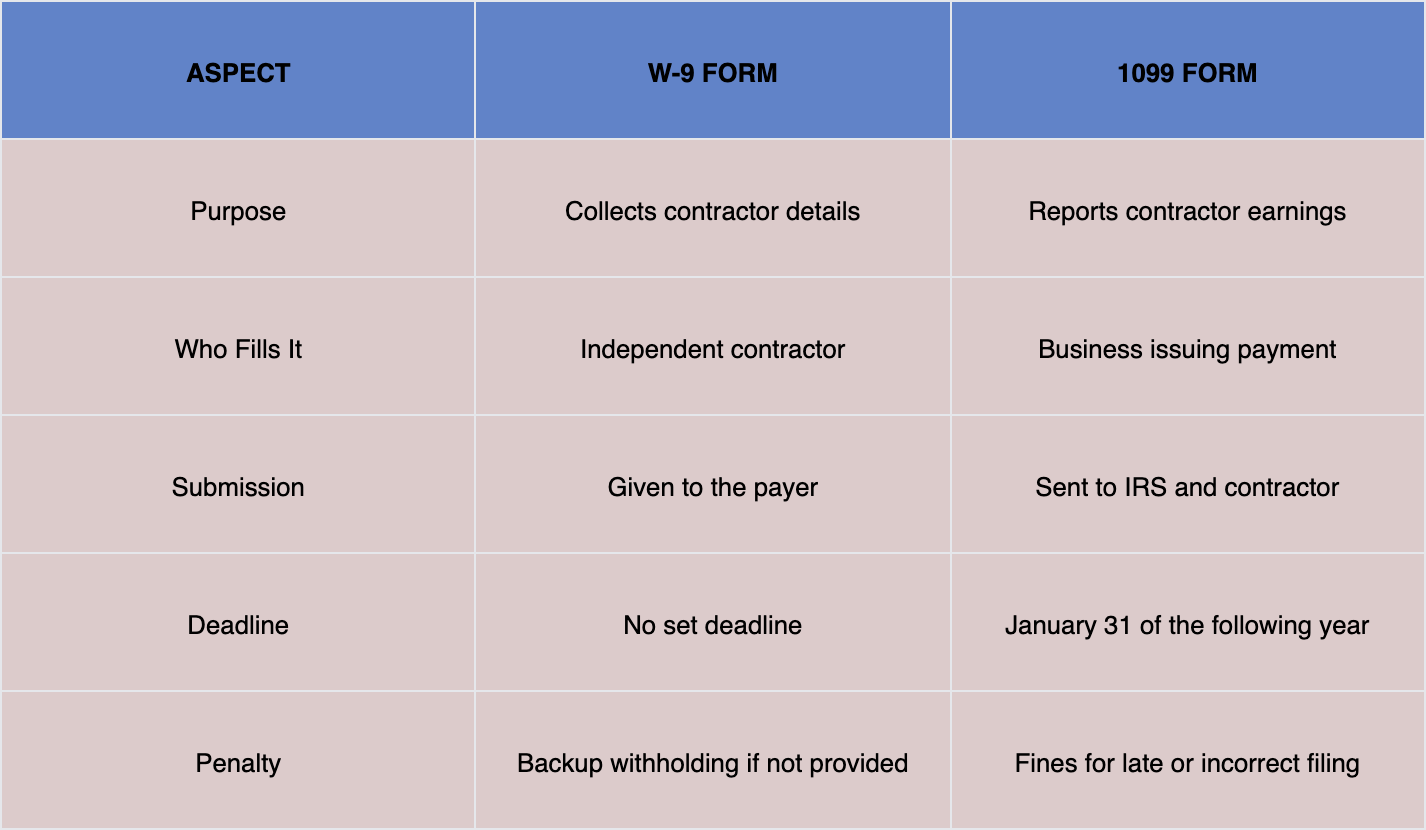
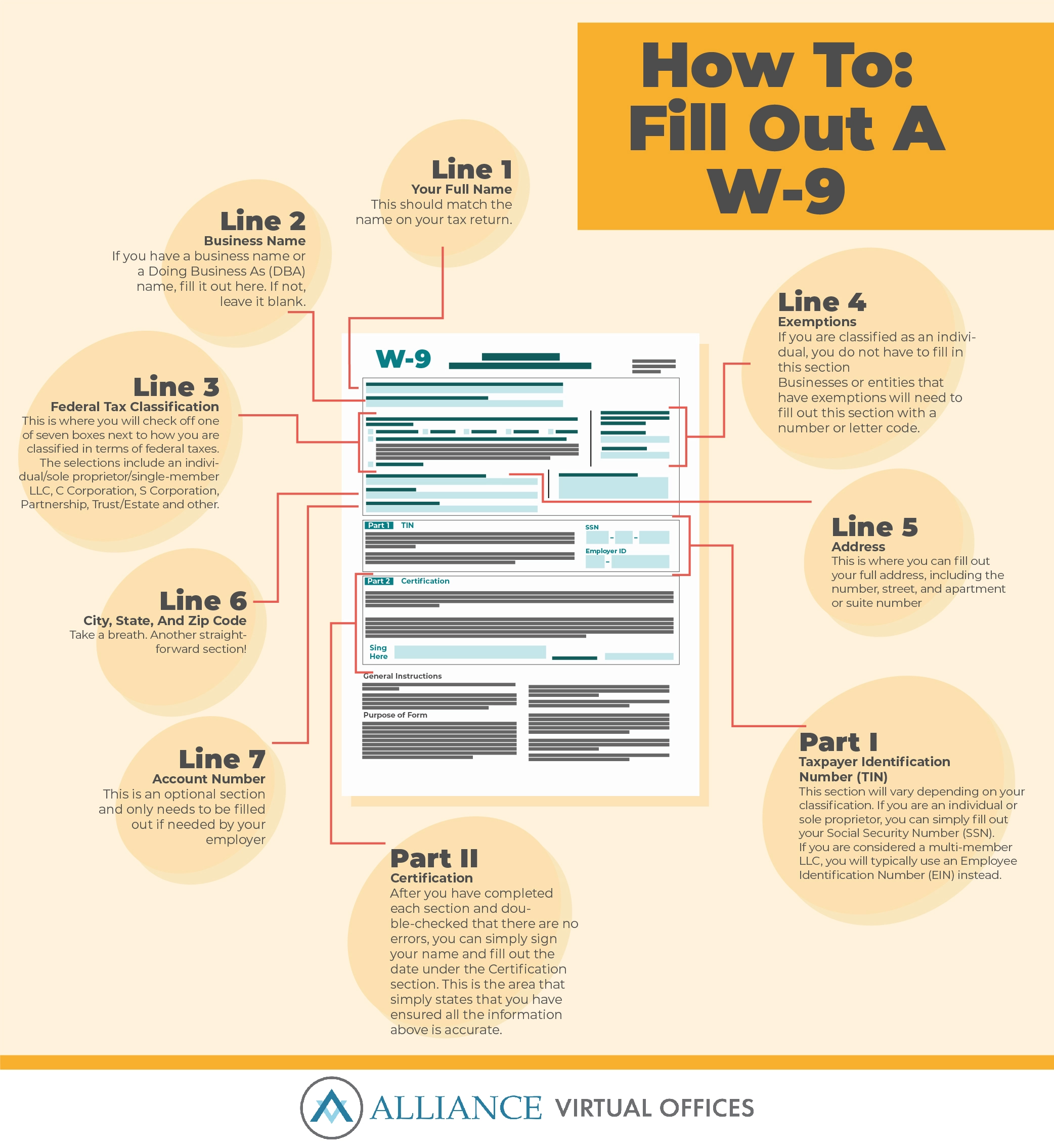
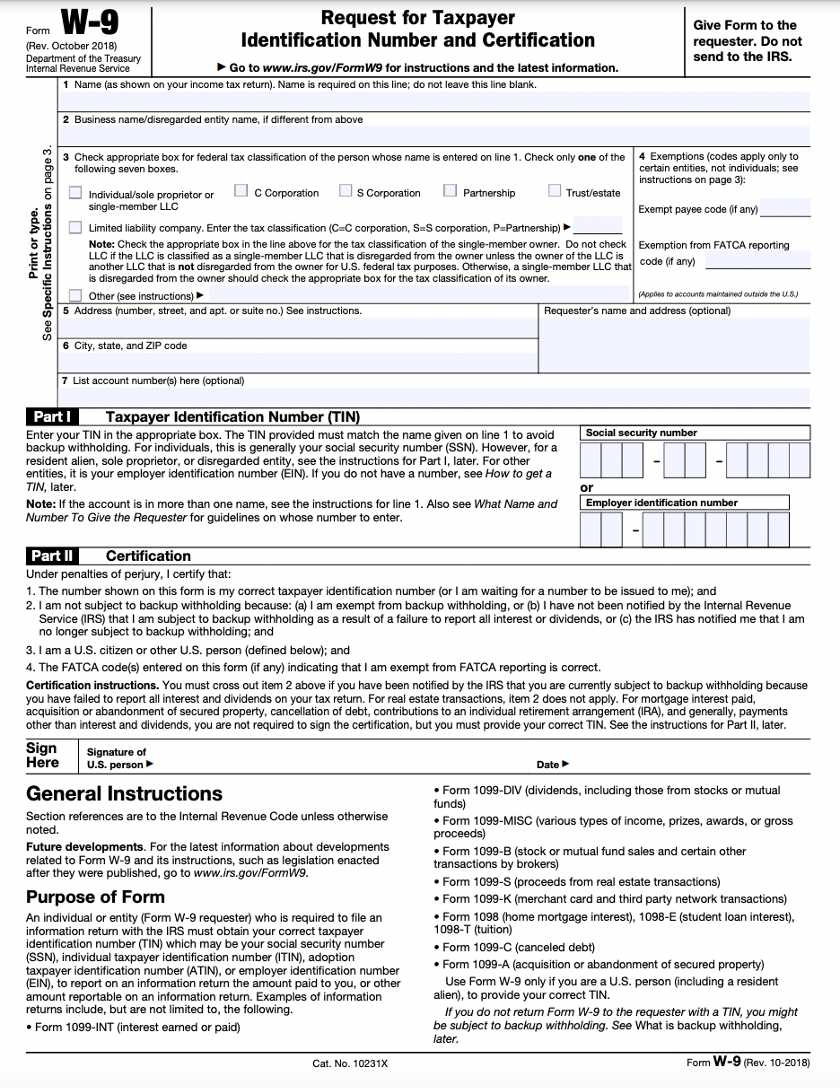
First, let’s talk about the W9 Form. This form is used by businesses to collect information from independent contractors or freelancers they plan to pay. It includes your name, address, and taxpayer identification number. You fill out the W9 Form once and provide it to your clients.
W9 Form Vs 1099
Understanding the Differences
On the other hand, the 1099 Form is what your client sends you at the end of the year to report how much they paid you. This form is crucial for filing your taxes as a self-employed individual. It shows your total earnings for the year.
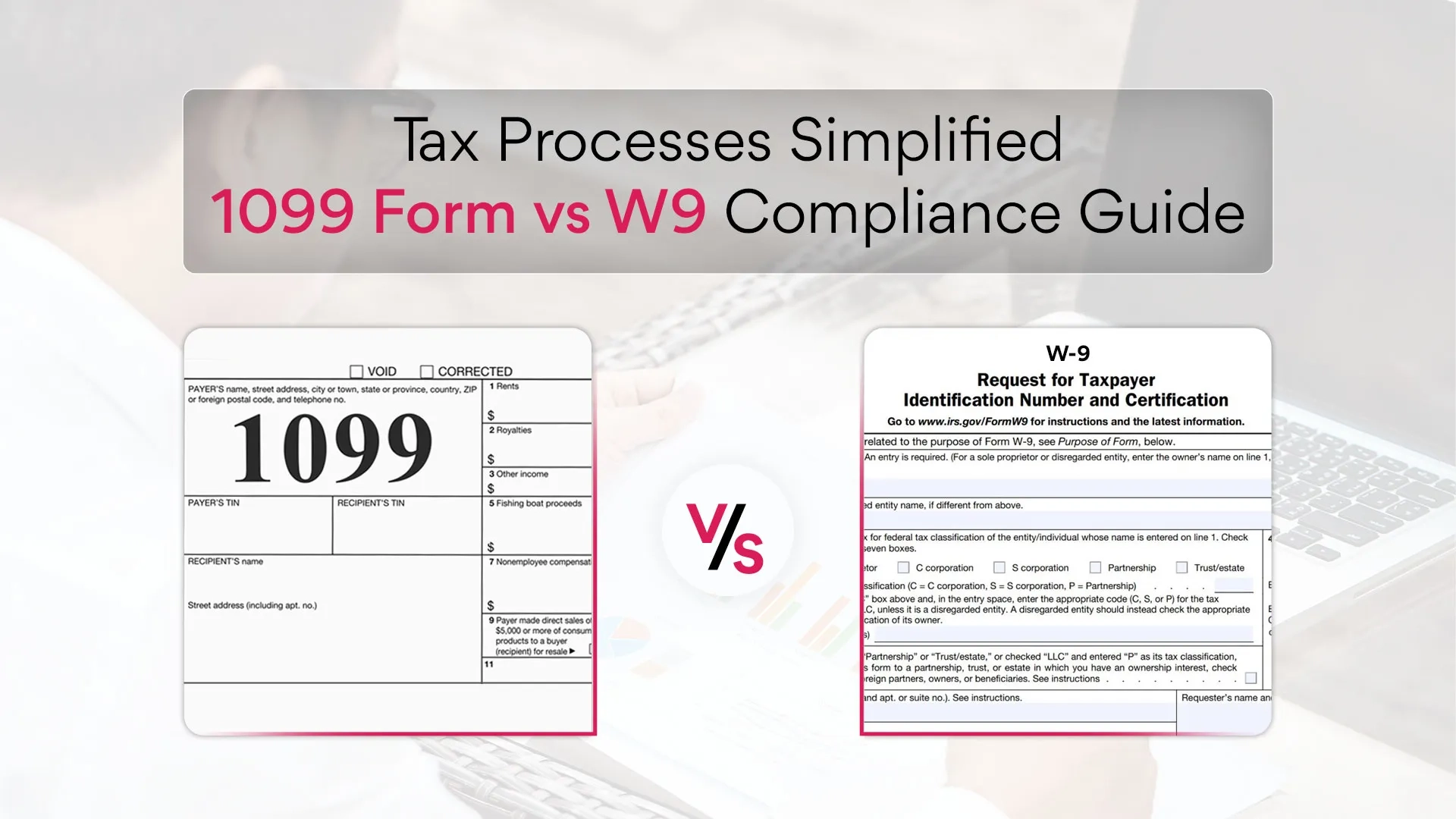
While the W9 Form is for providing your information to clients, the 1099 Form is for reporting your income to the IRS. Make sure to keep track of your earnings throughout the year to ensure accuracy when tax time rolls around.
So, in summary, the W9 Form is what you give to your clients, while the 1099 Form is what your clients give to you. Understanding the differences between these two forms is essential for managing your freelance or contracting work efficiently.
Now that you have a better grasp of the distinction between W9 Form vs 1099, you can confidently navigate the world of self-employment. Remember to keep accurate records and stay on top of your tax obligations to avoid any surprises come tax season!
W9 Vs 1099 What s The Difference Alliance Virtual Offices
W 9 Vs 1099 Comparing IRS Contractor Tax Forms amp Use Cases

W 9 Vs 1099 Forms What They Are amp How To Make Tax Season EASY
Tax Processes Simplified 1099 Form Vs W9 Compliance Guide Xenett
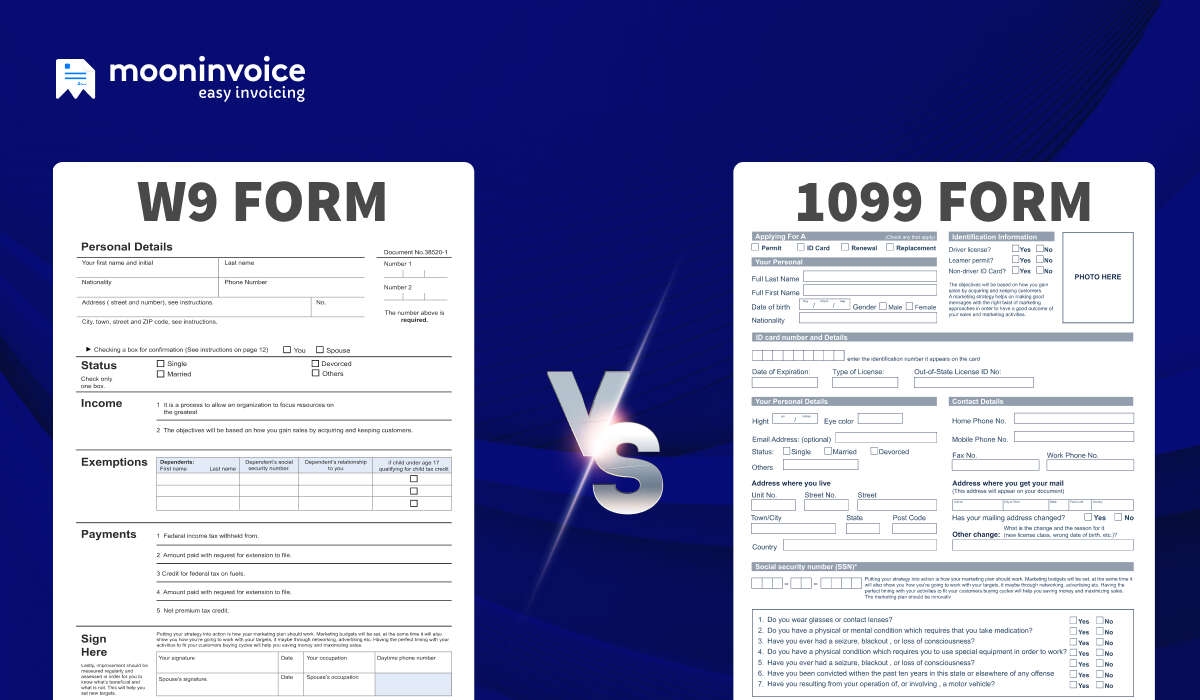
W9 VS 1099 Critical Difference Between IRS Forms W9 And 1099