Have you ever come across a word in a different language that sounded strangely familiar to a word in your own language? These similar-sounding words are called cognates, and they can make language learning a whole lot easier.
Cognates are words that have a common origin and similar meanings in different languages. For example, “banana” in English is “banana” in Spanish, and “chocolate” in English is “chocolat” in French. These similarities can help you recognize and remember new vocabulary.
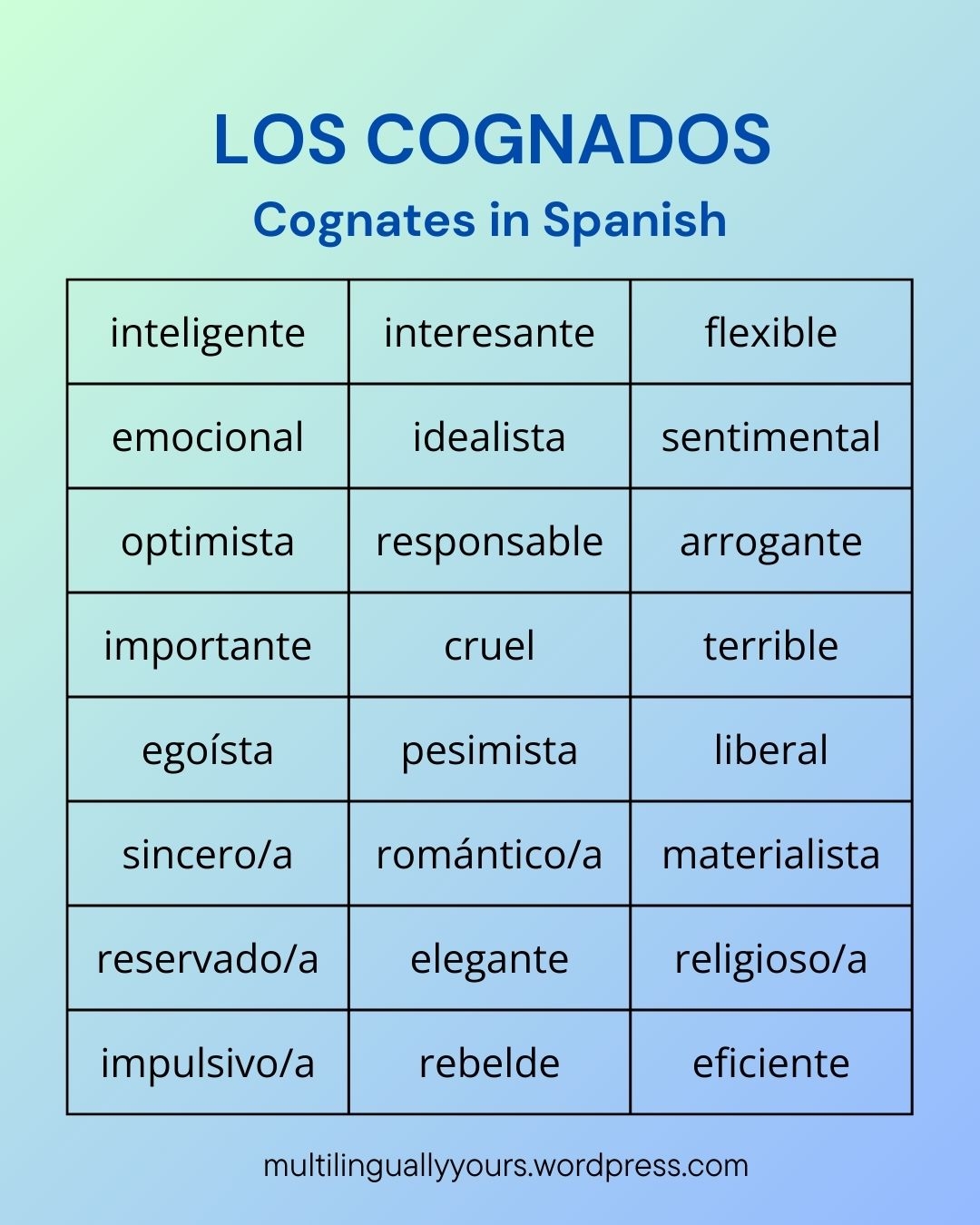
What Are Cognates Words
What Are Cognates Words
There are three main types of cognates: true cognates, false cognates, and partial cognates. True cognates have similar meanings and spellings in different languages, like “hotel” in English and “hotel” in Spanish. False cognates look alike but have different meanings, such as “embarazada” in Spanish, which means pregnant, not embarrassed.
Partial cognates have some similarities but not in all aspects. For example, “sympathy” in English and “simpatía” in Spanish share a root but have different suffixes and meanings. Understanding these different types of cognates can help you navigate language learning more effectively.
Next time you encounter a new word in a foreign language, keep an eye out for cognates. They can serve as helpful clues and shortcuts in expanding your vocabulary. Embrace the connections between languages and use cognates to your advantage in your language-learning journey!

What Is A Cognate
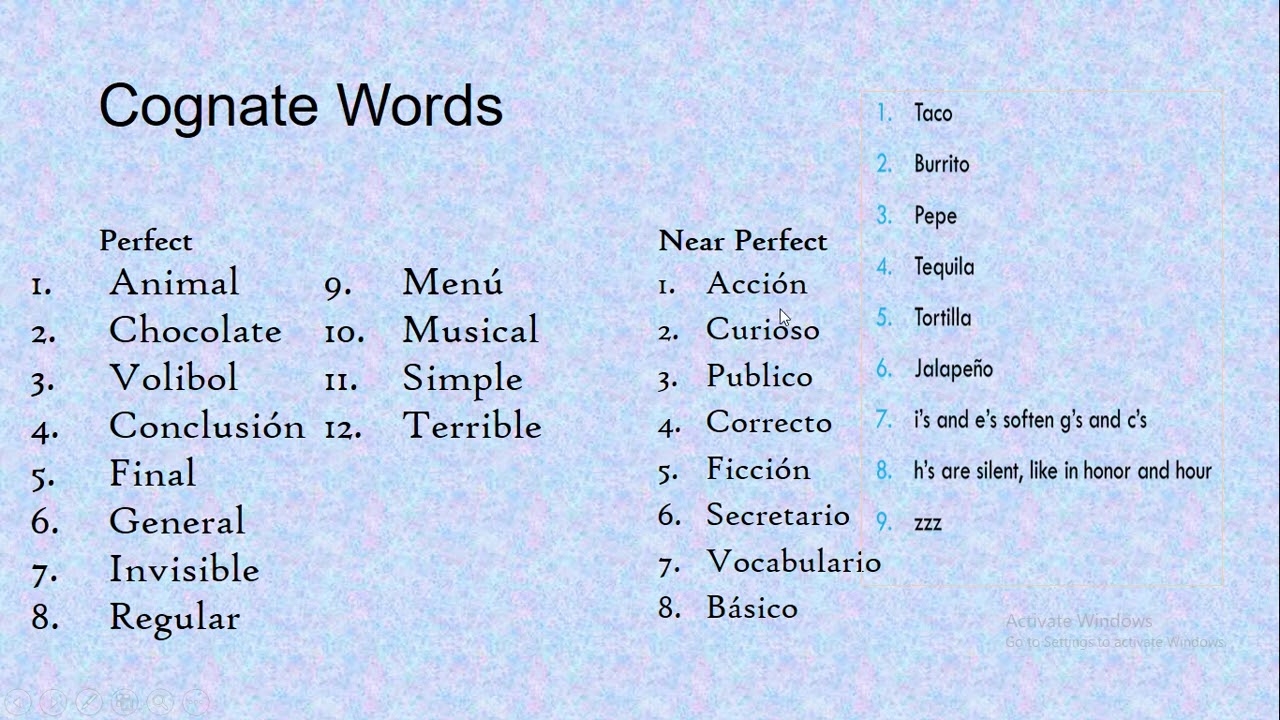
Cognate Words
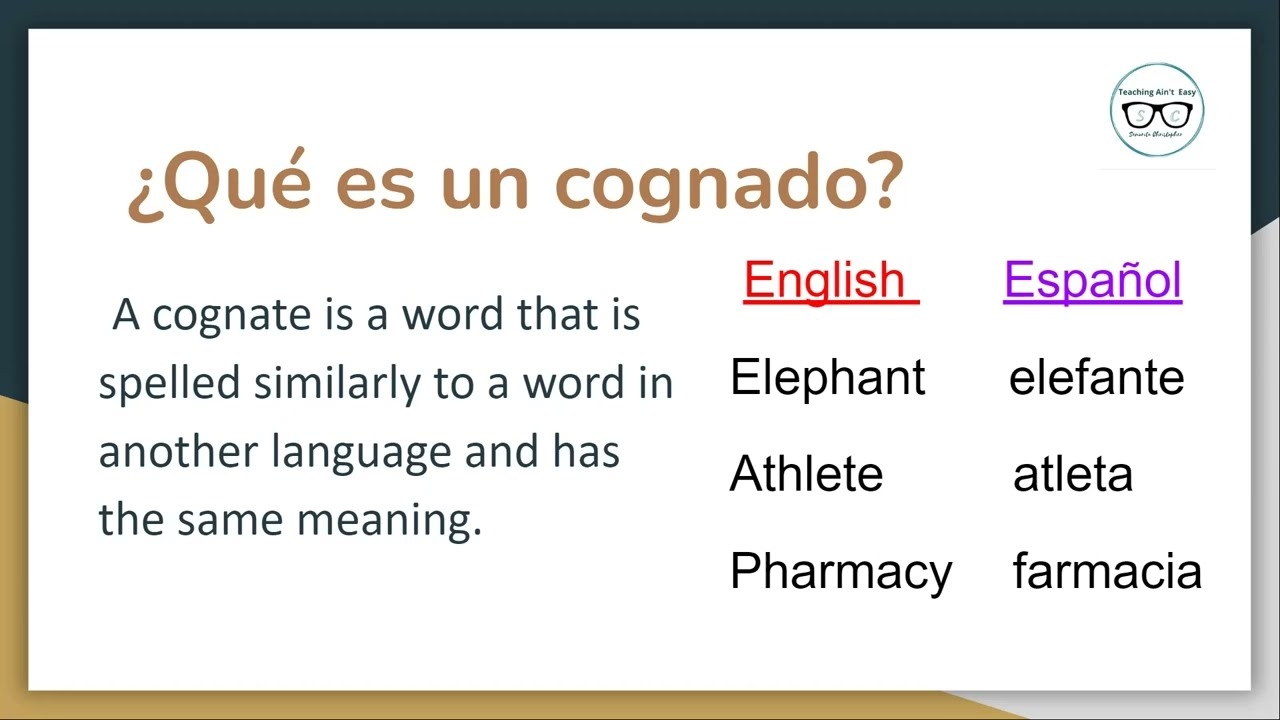
Cognados Cognates What Are They And How Can They Be Useful
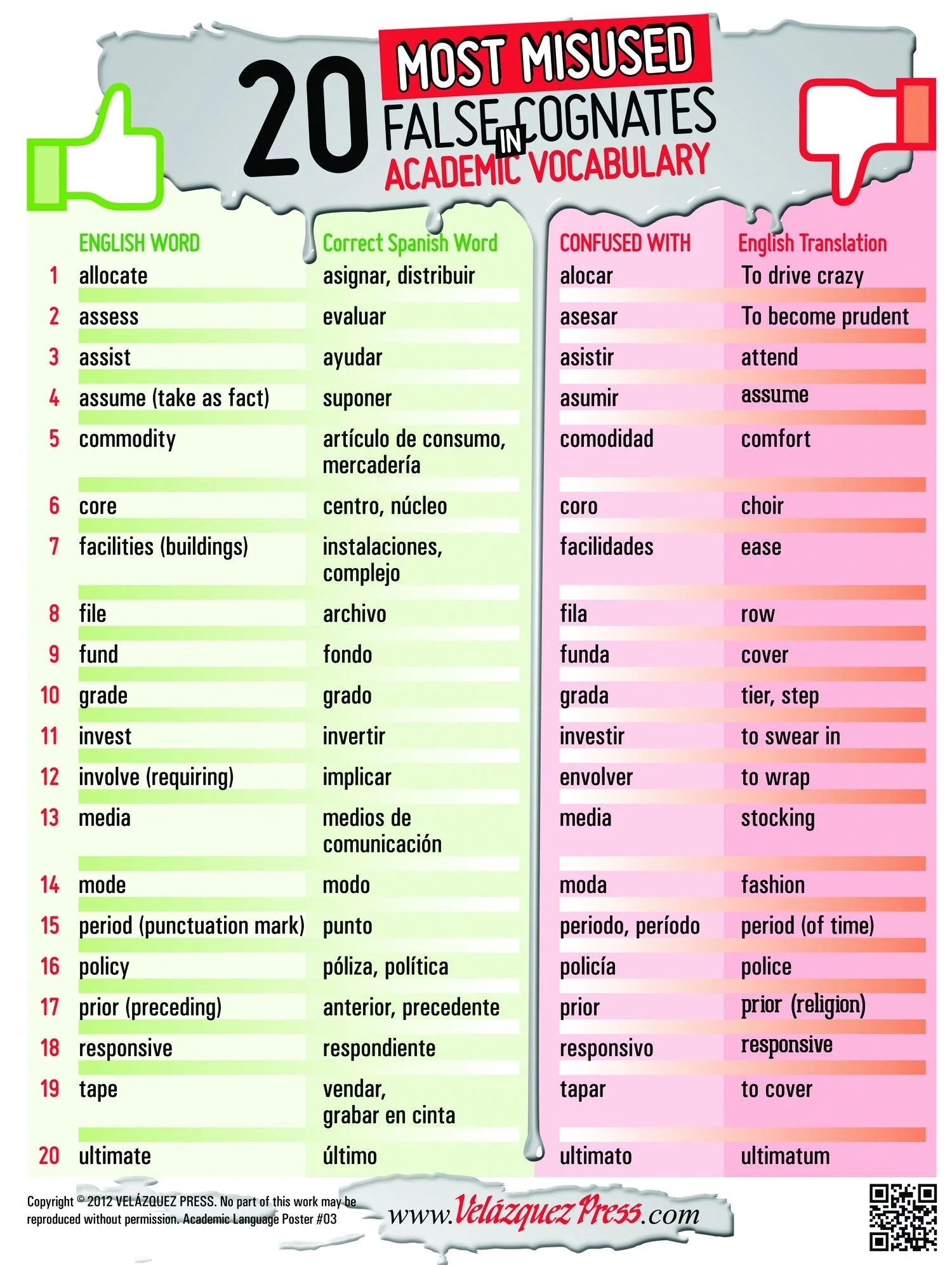
20 Most Misused False Cognates In Academic Vocabulary Vel zquez
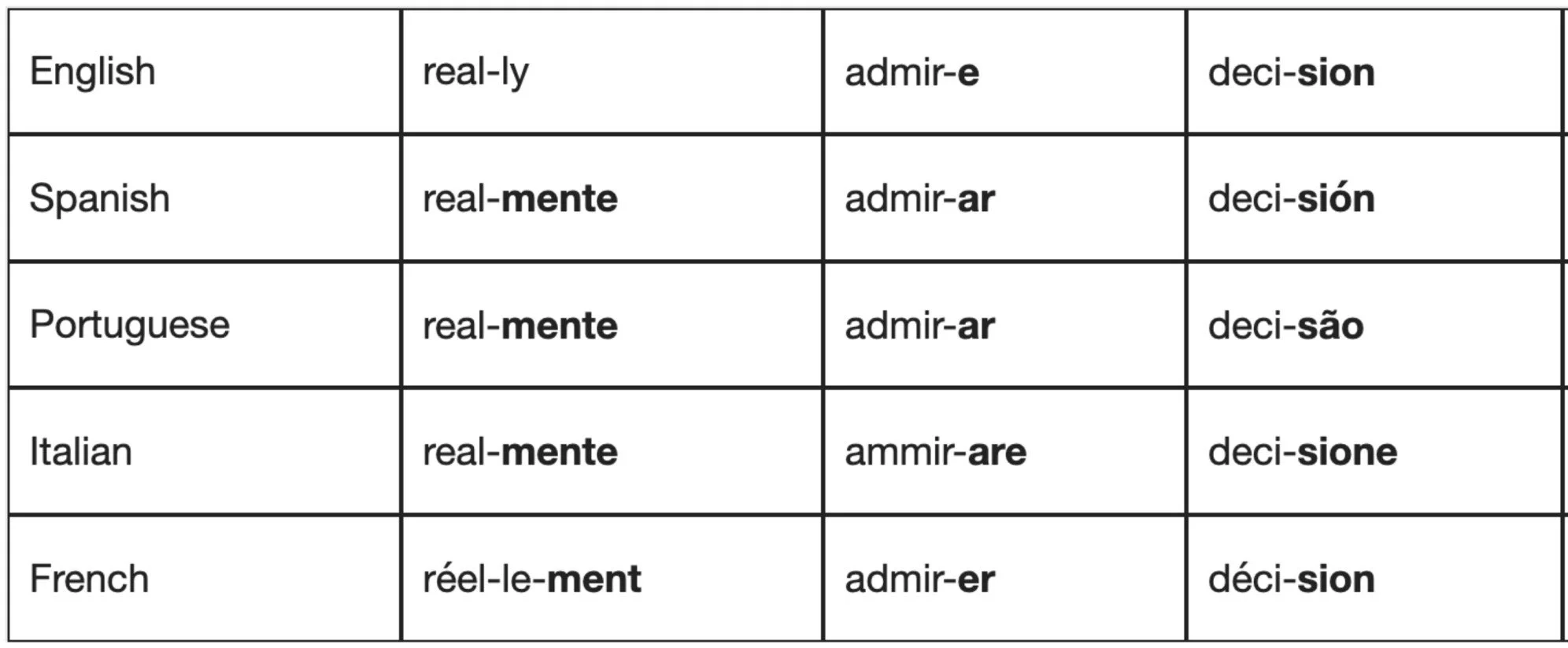
How Cognates In Language Learning Can Save You Months The